Pulinkari has been part of my kitchen for years, learned through slow practice and careful tasting. I first cooked this Pulinkari during festival preparations, standing beside elders who believed food carries memory. This article promises a clear, reliable Pulinkari method that fits Indian homes, busy schedules, and deep-rooted taste expectations.
You will discover how this South Indian cuisine classic connects food history with daily comfort. I explain the flavors, logic, and cultural value behind this tamarind curry, so you cook with confidence. If you enjoy soulful meals, this guide brings warmth, trust, and tradition straight to your plate.
Authentic Pulinkari
Authentic Pulinkari is a traditional dish rooted in Kerala kitchens and shared across borders as both a Kerala recipe and Tamil recipe. This vegetarian curry relies on tamarind, coconut, and balanced spice. The tangy flavor stays bold, while the spicy dish profile remains gentle enough for daily eating.
In South Indian cuisine, Pulinkari sits beside Puli Kuzhambu, Vathal Kuzhambu, Sambar, and Rasam, yet it keeps its own identity. Served during Kerala Sadya, Tamil Nadu meals, and Onam Sadhya dishes, it reflects food culture, patience, and respect for seasonal cooking ingredients.
| Dish Comparison | Main Sour Agent | Texture | Occasion |
|---|---|---|---|
| Pulinkari | Tamarind | Medium gravy | Daily and festive |
| Sambar | Tamarind + dal | Thick | Main course |
| Rasam | Tamarind | Thin | Comfort food |
How to make Pulinkari
The preparation method begins with soaking tamarind and gently cooking vegetables like ash gourd and drumstick. Using an earthen pot enhances depth, though modern cookware works well. Slow simmering allows spices to blend, creating authentic food that feels homemade and honest.
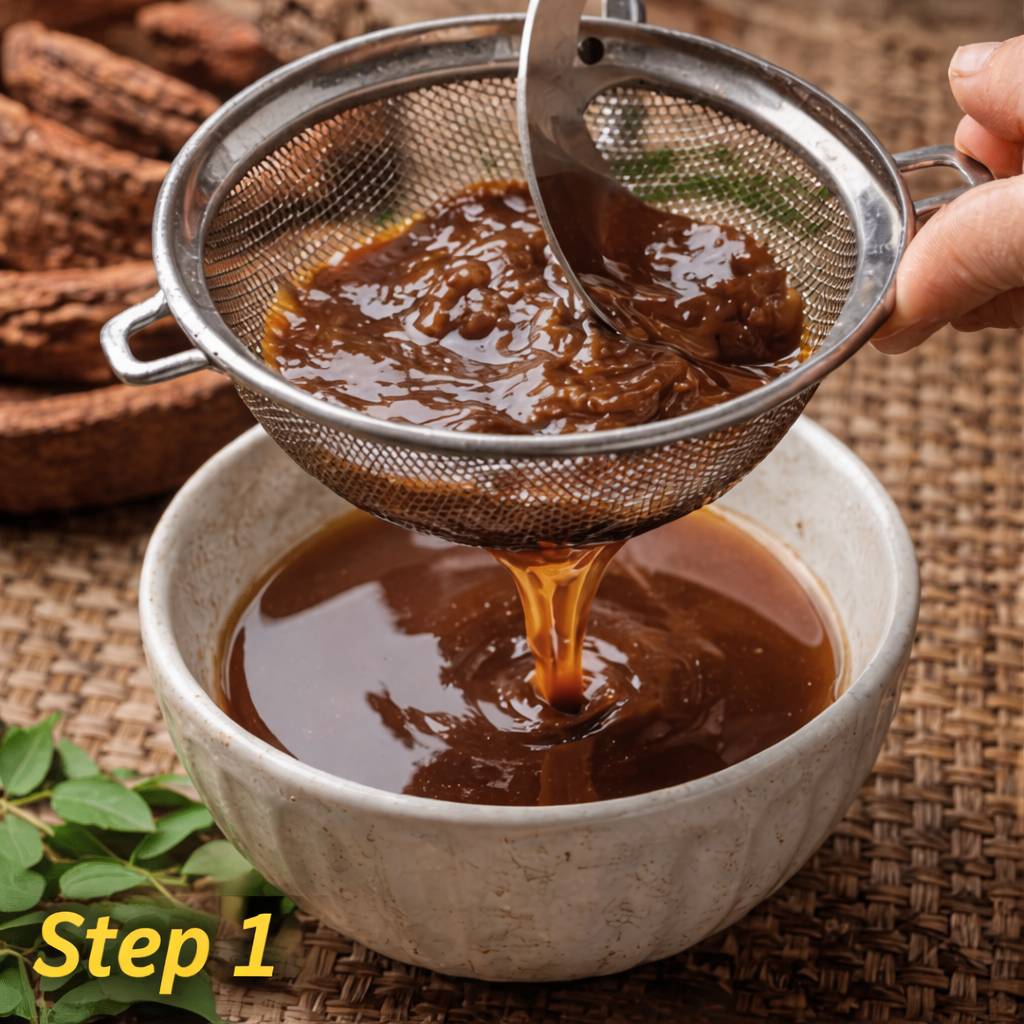
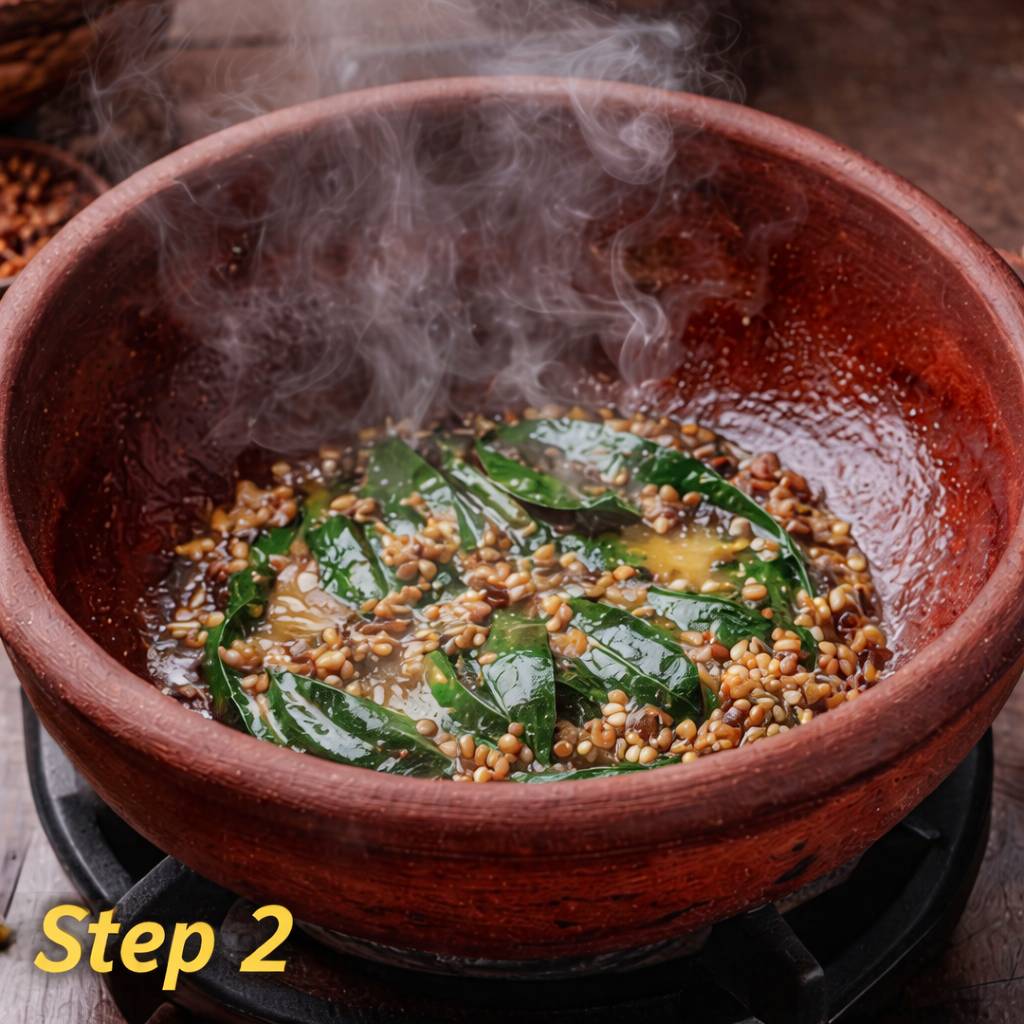
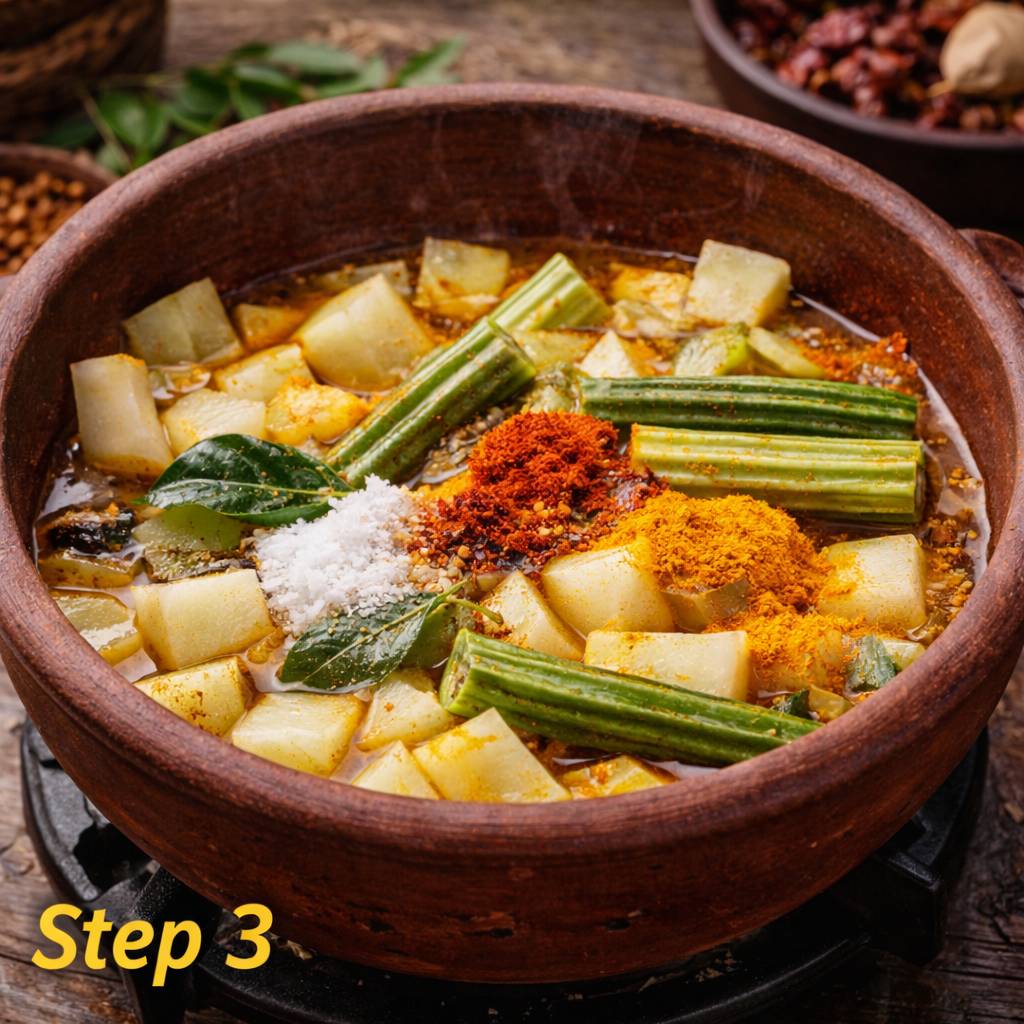

This homemade recipe depends on timing and temperature, not speed. Coconut paste thickens the gravy, while tempering in coconut oil seals aroma. Pulinkari works as a side dish or main course, pairing beautifully with rice, dosa, or idli.
| Step | Purpose | Result |
|---|---|---|
| Tamarind extraction | Base flavor | Balanced sourness |
| Vegetable cooking | Texture | Soft, intact pieces |
| Simmering | Flavor merge | Rounded taste |
| Tempering | Aroma lock | Traditional finish |
Ingredients
The cooking ingredients reflect Indian spices and simplicity. Tamarind forms the base, vegetables add body, and spice powders define character. Red chili powder, turmeric powder, and asafoetida bring warmth, while fresh coconut supports classic coconut-based curries loved across the region.
For the Spice Paste (A):
The spice paste blends roasted coconut, fenugreek seeds, and aromatics into a smooth base. This paste controls thickness and heat. In culinary arts, this step separates flat curry from memorable food, shaping both gastronomy and lasting flavor memory.
For the Pulinkari (B):
Once vegetables soften, tamarind water and spice paste meet in harmony. Gentle simmering follows. Final tempering with mustard seeds, curry leaves, and cooking oil completes the dish. A hint of jaggery rounds sharp edges without overpowering the curry.
Why Pulinkari Still Matters Today
Pulinkari remains a regional specialty because it balances taste and wellness. It supports healthy eating, fits diet considerations, and suits vegan options naturally. Families rely on it for daily cooking, while festivals honor it during festive meals as trusted comfort food.
From a food history view, Pulinkari proves how tradition adapts without losing soul. Its nutritional value comes from vegetables, minimal fat, and mindful spice use. This makes it ideal for those seeking easy recipes and quick recipes rooted in real food culture.
“Simple food, cooked with care, always tastes richer than complexity without heart.”
More Recipes:
Authentic Gallo Pinto (Costa Rican Beans and Rice) Recipe
Juicy Oven Baked Chicken Bites
Maccheroni al Ferretto: Calabrian Pasta Recipe
Terra Massoud Recipe: Authentic & Delicious Family Dinner
Veg Du Jour (A Colorful Veggie Side Dish)
FAQs
What is Pulinkari?
Pulinkari is a traditional South Indian curry prepared with tamarind, vegetables, and coconut-based spices. It is commonly served with rice in Kerala and Tamil Nadu meals, both in daily cooking and festive occasions.
What does tamarind do to a curry?
Tamarind adds a natural tangy flavor to a curry and balances strong spices. It deepens taste, improves aroma, and helps make the dish more flavorful and satisfying.
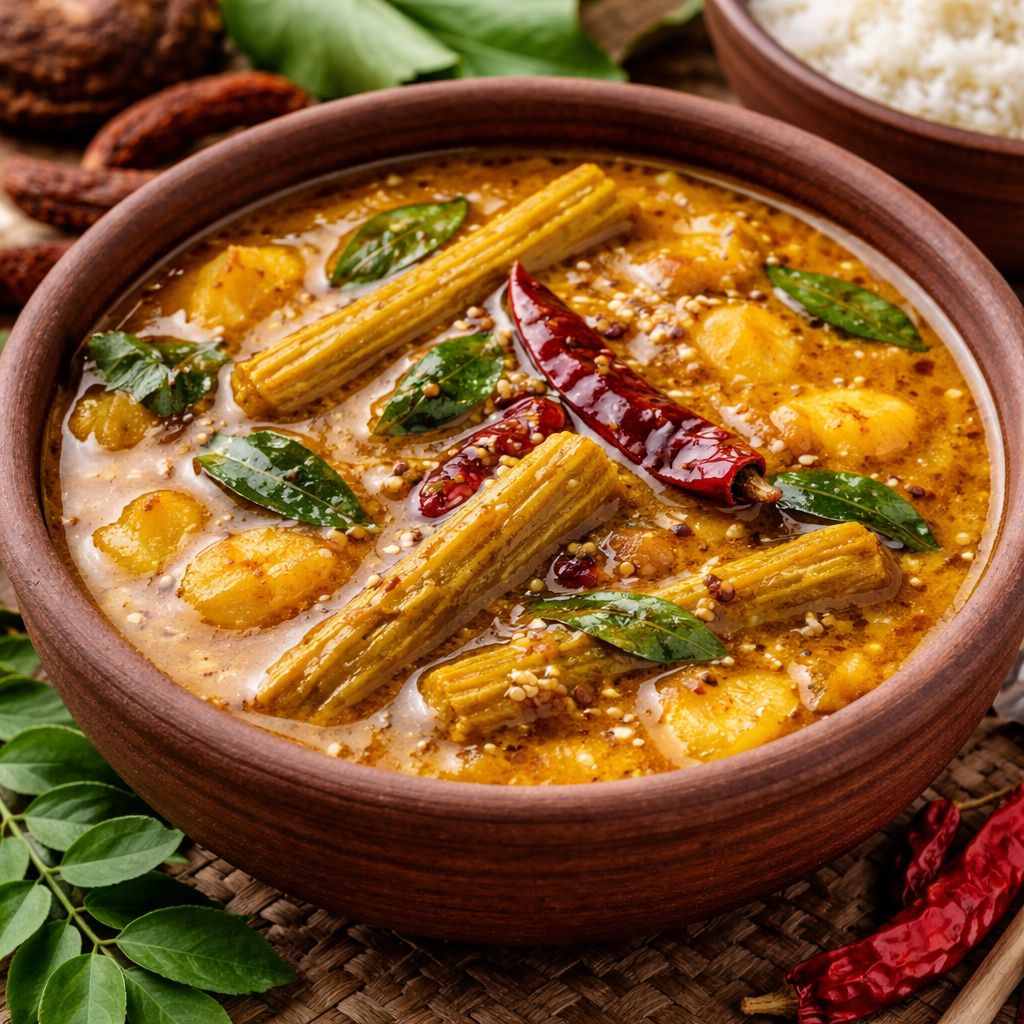

Pulinkari (South Indian Tamarind Curry)
Ingredients
Equipment
Method
- Tamarind ko garam pani me bhigo kar uska extract nikal lein aur strain kar ke side me rakh dein.
- Cooking pot ya earthen pot me coconut oil garam karein. Mustard seeds dal kar crackle hone dein. Fenugreek seeds, asafoetida, aur curry leaves add karein.
- Ab ash gourd aur drumstick dal kar 5 minutes halka sa saute karein jab tak vegetables thodi soft ho jayein.
- Iske baad red chili powder, turmeric powder aur namak dal kar ache se mix karein.
- Tamarind extract dal kar curry ko ubalne dein. Phir heat kam kar ke 10–12 minutes tak simmer hone dein.
- Dusri taraf blender me fresh coconut, roasted chana dal, fenugreek seeds aur dried red chilies thoda pani dal kar smooth paste bana lein.
- Ye spice paste curry me dal kar mix karein. Jaggery add karein agar use kar rahe ho. 6–8 minutes aur pakayein jab tak gravy thick ho jaye.
- Final tempering ke liye choti pan me coconut oil garam karein, mustard seeds aur curry leaves dal kar curry ke upar dal dein.
- Gas band kar ke 2 minutes cover kar ke rest dein, phir serve karein.
Notes
Nutrition (Approximate per serving)
Calories 120 kcalFat 6 g
Carbohydrates 16 g
Fiber 3 g
Protein 2 g
Emily Carter is a home cooking enthusiast and recipe developer with a passion for creating simple, reliable meals for everyday life. She focuses on quick recipes made with accessible ingredients and clear instructions. Emily enjoys experimenting with modern cooking methods and sharing practical food ideas that help home cooks save time while enjoying flavorful, homemade dishes.